
 By
By 
There is a particular kind of attention that a good automotive part manufacturer brings to its work, the same quality of attention a surveyor brings to a landscape before drawing a single line. Nothing is assumed. Everything is measured. The part sitting in a machinist’s hands has a history, a specification, a tolerance range, and a future inside a vehicle that may travel hundreds of thousands of kilometres before it is ever inspected again. That future is the reason precision matters, and it is the reason that choosing a manufacturing partner deserves the same careful, methodical scrutiny that the manufacturer itself applies to its components.
What the Factory Floor Actually Tells You
Walk through a well-run automotive parts manufacturing facility and certain things become apparent without being announced. The floors are clean. The tooling is organised. Measurement instruments are calibrated and tagged. Work-in-progress is labelled and tracked. These are not decorative qualities. They are evidence of a system operating under control, a system where variation is monitored rather than tolerated and where problems surface quickly because the underlying order makes anomalies visible.
A facility in disorder tells a different story. Not necessarily a story of poor intention, but of insufficient discipline in the processes that ultimately determine whether a component meets its specification on the first attempt or the fifth. In automotive component manufacturing, where margins are tight and delivery schedules are fixed, fifth attempts are not a viable business model.
The Standards Framework
IATF 16949 is the quality management standard that structures most serious automotive parts supplier operations. It extends the principles of ISO 9001 into the specific demands of automotive production, covering process documentation, measurement system analysis, statistical process control, and supplier development. Certification to this standard is increasingly a threshold requirement for entry into major supply chains rather than a mark of distinction.
Beyond certification, the depth of implementation matters considerably. A manufacturer may hold the certificate while operating the system at a minimal level of engagement. The questions worth asking go further than certificate validity:
- How frequently are internal audits conducted, and what happens to the findings?
- What is the first-pass yield rate across primary production lines?
- How are non-conformances tracked, and what is the average time to resolution?
- What statistical process control methods are applied, and at which stages?
The answers to these questions reveal whether quality management is genuinely embedded in daily operations or confined to a binder on a shelf.
Materials and Process Range
The breadth of an automotive manufacturer’s process capability is a reliable indicator of its usefulness as a long-term partner. A supplier that machines aluminium well but has no casting capability will eventually require you to manage multiple relationships where one would suffice. The more capable manufacturers in this sector cover a meaningful range:
- Ferrous and non-ferrous metal casting, including die casting and investment casting
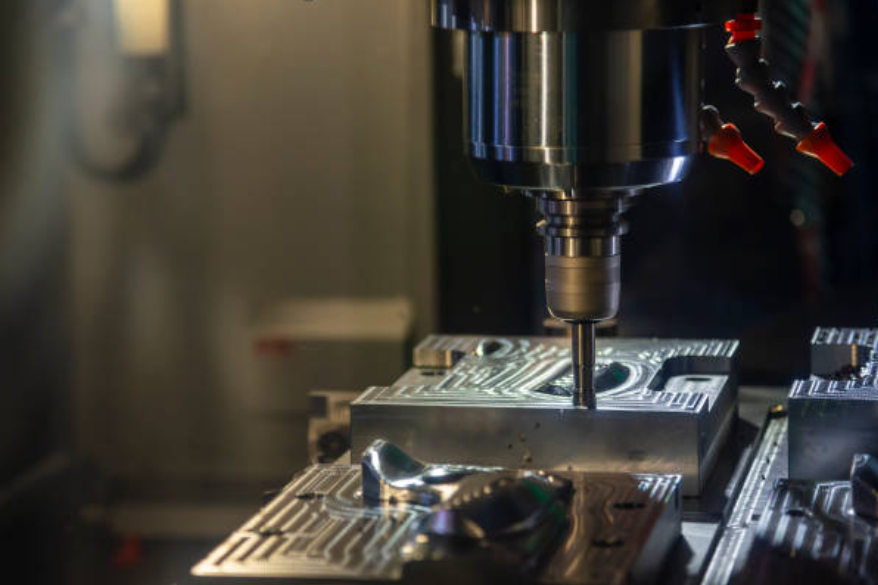
- Precision CNC machining for engine, transmission, and structural components
- Plastic injection moulding for housings, clips, ducts, and interior assemblies
- Sheet metal fabrication, including stamping, forming, and welding
- Surface treatment processes covering anodising, plating, and protective coatings
- Final assembly and functional testing prior to shipment
Each of these processes carries its own quality considerations and its own set of failure modes. A manufacturer with experience across all of them has encountered those failure modes before and, ideally, has built systems to prevent their recurrence.
Singapore’s Position in the Supply Chain
Singapore occupies a specific and well-developed position within the regional automotive parts supply network. The country does not compete on the basis of low-cost, high-volume production. It competes on precision, reliability, and the kind of engineering capability that emerges from decades of investment in technical education and industrial infrastructure.
Manufacturers operating out of Singapore have established strong reputations for precision-machined components, electronic assemblies, and tooling supply to automotive customers across Asia-Pacific. The country’s logistics infrastructure, its legal and regulatory stability, and its concentration of engineering talent make it a practical base for technically complex work that cannot afford the variability associated with less developed industrial environments. For buyers sourcing automotive components that sit within safety-critical systems, that combination of factors is not incidental. It is the point.
Scale and Its Implications
Scale in automotive component production is a two-edged consideration. A very large manufacturer offers capacity, established systems, and a broad process range. It may also offer less attention to smaller accounts and less flexibility when specifications need revision. A smaller, specialised manufacturer may provide greater responsiveness and tighter engineering collaboration, but may lack the headroom to absorb sudden volume increases without disruption.
The practical answer, for most buyers, involves understanding where their account sits within the supplier’s business. A customer representing a meaningful share of a smaller manufacturer’s revenue will receive different levels of attention than one representing a fraction of a large operation’s throughput. Neither arrangement is inherently superior. Both require clear-eyed assessment before commitment.
The Evaluation That Repays Its Investment
Selecting a manufacturing partner with care takes time. It involves facility visits, reference checks, technical audits, and a period of trial production before full commitment. Each of these steps costs something. Each also reduces the probability of the much larger costs associated with supply failure, quality escapes, or a relationship that proves unworkable under pressure.
The buyers who approach this evaluation methodically, and who resist the temptation to prioritise price above all other factors, tend to build supplier relationships that outlast market cycles and yield consistent performance across years rather than quarters. That outcome begins with a deliberate, informed choice of automotive part manufacturer.









Comments