
 By
By Event photography is everywhere today: at weddings, conferences, concerts, festivals, and even small family gatherings, but its story begins long before digital cameras and social media. The evolution from stiff, posed portraits to dynamic, documentary-style storytelling is one of the most fascinating transformations in the history of photography.
In the earliest days of the medium, photography was a slow and highly technical process. Long exposure times meant subjects had to remain perfectly still, often supported by hidden braces, and early images reflected those limitations. Portraits were formal, rigid, and carefully arranged because spontaneity simply wasn’t possible. As technology advanced: faster lenses, improved chemical processes, and eventually roll film, photographers gained the ability to capture shorter exposures. By the late 1800s and early 1900s, movement, candid expressions, and real-time storytelling became achievable. This shift opened the door to documentary photography, where life could be captured as it unfolded rather than staged in a studio.
As cameras became more portable, photographers began documenting public gatherings, celebrations, political events, and social life. These early documentary efforts laid the groundwork for what we now recognize as event photography. By the mid-20th century, event photography had become a defined professional field. Weddings, corporate functions, galas, and community events increasingly relied on photographers to preserve their most important moments. The rise of newspapers, magazines, and later digital media only accelerated this demand, as organizations needed compelling images for publicity and storytelling.
The digital revolution of the 2000s and 2010s transformed the field even further. Instant review, high-ISO performance, and rapid shooting capabilities made it possible to capture fast-moving scenes in any lighting environment. Event photography became more accessible, more creative, and more essential than ever.
Over the decades, event photography has moved through several stylistic eras. The early and mid-20th century was dominated by formal, posed group portraits, often lit with flashbulbs and shot on medium-format cameras. The 1960s through the 1990s brought a strong photojournalistic influence, inspired by documentary photographers who valued candid storytelling and raw, unposed emotion. The digital era of the 2000s and 2010s introduced vibrant color, dynamic angles, and hybrid styles that blended posed and candid coverage. Today, event photography embraces a modern hybrid approach: authentic, emotional, and tailored to the tone and purpose of each event, with deliverables optimized for both traditional albums and social media.
Several photographers have shaped the way the world documents important moments. Henri Cartier-Bresson’s concept of “the decisive moment” influenced generations of candid event and street photographers. Weegee (Arthur Fellig) captured New York City nightlife and public gatherings with gritty immediacy. Garry Winogrand documented American social life with unmatched spontaneity, while Elliott Erwitt brought humor and humanity to everyday interactions. Iconic event photographs, from the March on Washington to Olympic ceremonies and royal weddings, show how photography can define the way society remembers major moments.
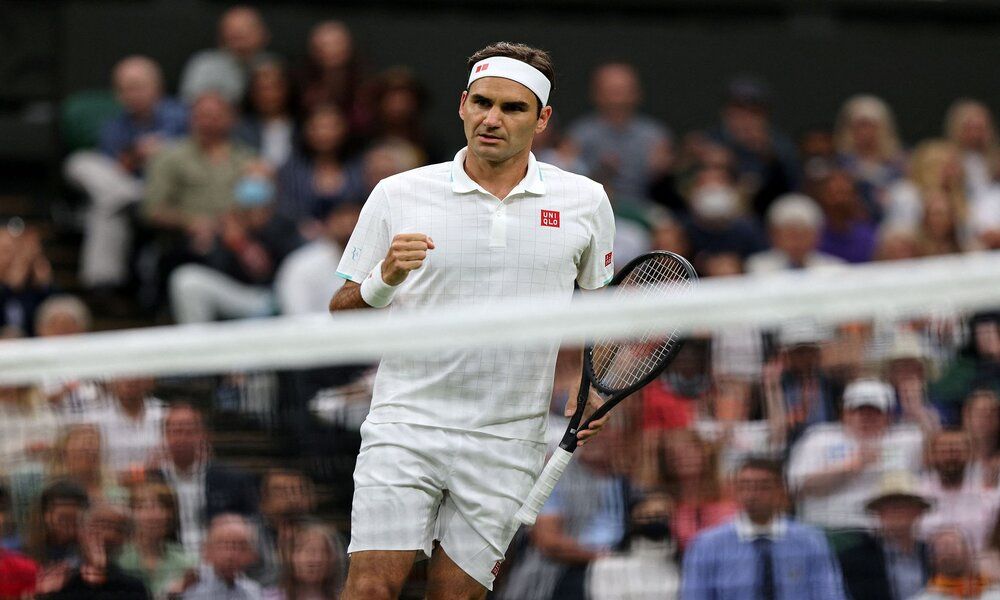
Today, demand for event photography is higher than ever. It’s no longer reserved for major institutions or elite gatherings. Individuals hire photographers for birthday parties, quinceañeras, Sweet 16 celebrations, engagement parties, rehearsal dinners, baby showers, gender reveals, family reunions, and milestone anniversaries. Organizations rely on event photographers for corporate conferences, trade shows, award ceremonies, galas, nonprofit fundraisers, school events, and sports tournaments. In a world where every event is shared, posted, and archived, high-quality photography has become essential for both personal memories and professional branding.
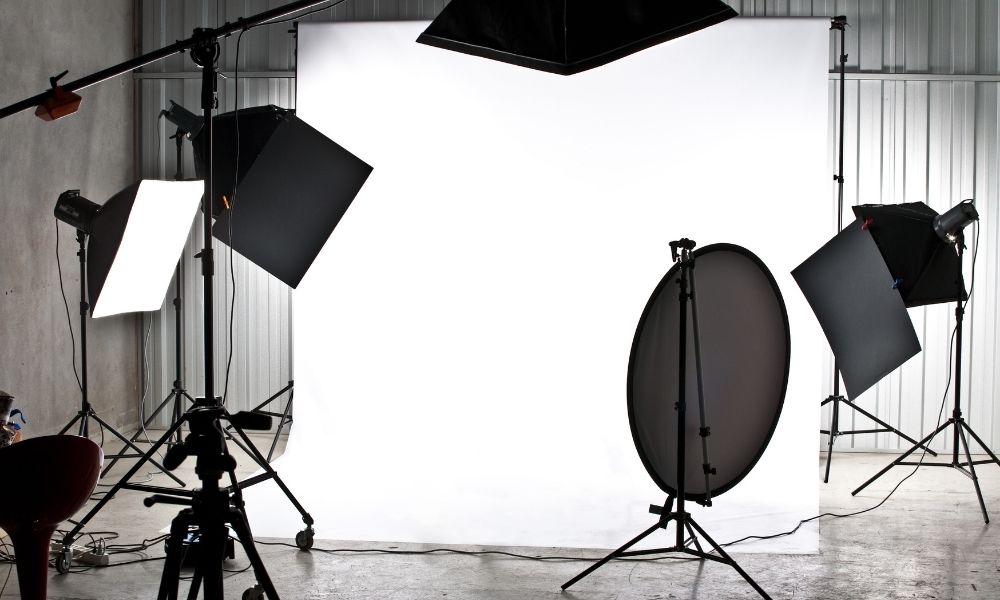
Modern trends continue to shape the field. Documentary-driven coverage has become the gold standard, with clients valuing authenticity over staged moments. Editing styles lean toward vibrant, true-to-life color and natural skin tones. Social-media-ready deliverables, fast turnaround times, and vertical-format images are increasingly requested. Many events now combine photography with short-form video clips for reels and promotional content. On-site instant delivery is becoming more common, especially for corporate and media-driven events. Creative lighting, off-camera flash, and drone perspectives add new layers of storytelling, especially for outdoor festivals, waterfront venues, and large-scale gatherings.
Florida, in particular, has seen a major rise in event photography demand. With year-round sunshine, a booming tourism industry, and thousands of weddings, conferences, and festivals across cities like Tampa, Orlando, Miami, and St. Petersburg, the state has become one of the most active event photography markets in the country. From beachfront weddings on the Gulf Coast to high-energy corporate events in Orlando’s convention district, Florida’s diverse venues and vibrant culture continue to push the evolution of modern event photography.
Event photography in Tampa, Florida
Event photography has come a long way from the days of long exposures and rigid posing. Today, it’s a fast-moving, creative, and essential part of how people and organizations document their lives. As technology and culture continue to evolve, so will the art of capturing the moments that matter most.







Comments