
 By
By 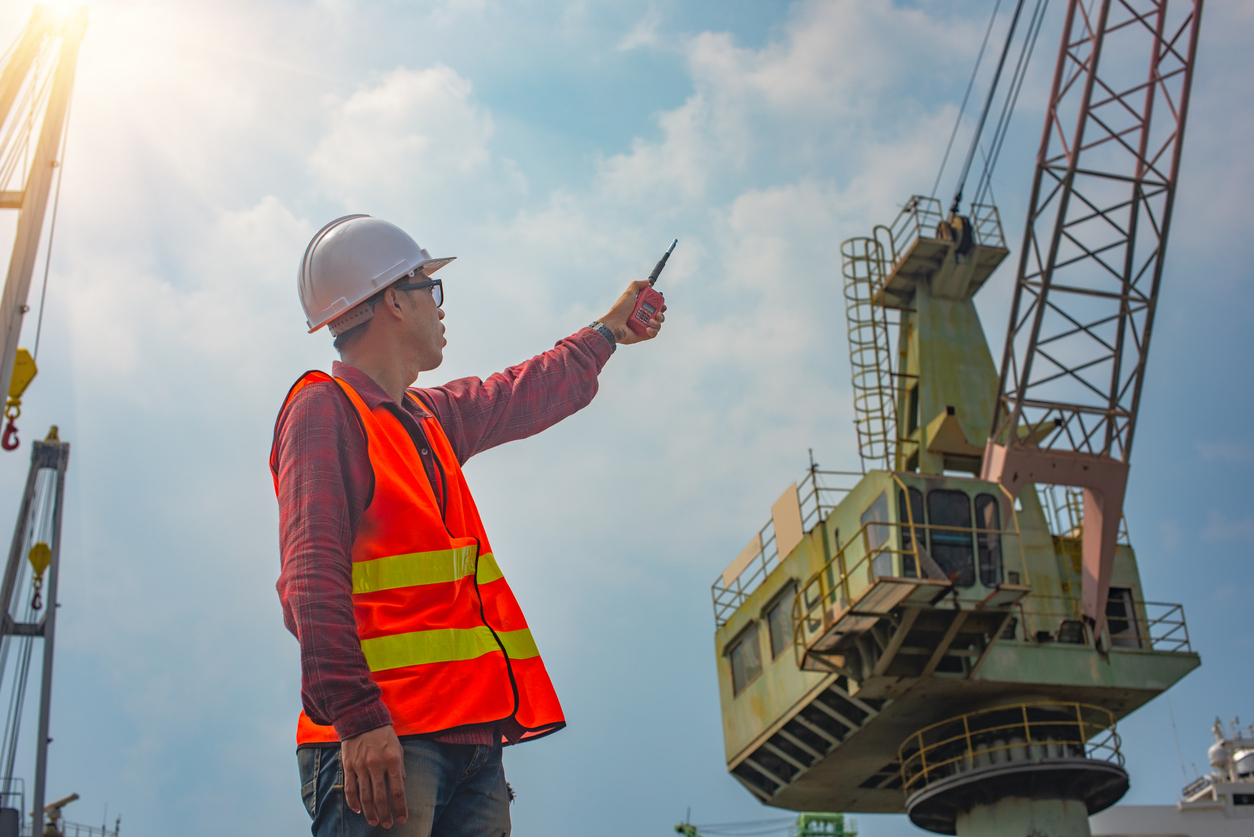
Rigging is a key aspect in building, such as transporting oil and gas and making things. You utilize cranes, hoists, and other tools to lift and move big goods and keep them safe. People can get through the day and move items with this job, but it may be dangerous if not done appropriately. Ensuring that all personnel have adequate training for the job is the greatest approach to keep everyone safe. When riggers know what they’re doing, everything runs smoothly and safely for people, equipment, and projects.
The High-Risk Nature of Rigging
Rigging work is about moving heavy things and lifting loads that hang in the air for many purposes. The rigging and signal training california team uses special lifting tools and gear. If people do not know what to do, even small slips or wrong moves can make accidents happen.
- Loads can move, slide, or fall if they are not tied down right.
- Equipment may stop working if not used the way it should be.
- Workers can get hurt if things fall or if loads are not steady.
With all these dangers, it is easy to see why untrained rigging can hurt not only the workers but also everyone and everything at the job site.
Building Knowledge of Equipment and Tools
Good training helps riggers know the tools and equipment they use. Different things they lift and places they work need certain slings, shackles, and lifting gear.
- Training shows workers how to pick the right rigging hardware.
- Workers learn the best ways to check for wear and tear.
- Using the right handling methods helps lower stress on the equipment and helps it last longer.
If riggers know enough about their tools, they can help stop things from breaking. This also makes it more likely that the lifting will go as planned.
Promoting Safe Lifting Techniques
Safe lifting is not only about how strong you are. You need to know the right way to pick things up. Training programs show you how to keep things tight, spread weight well, and talk with others while lifting.
- Workers learn how to figure out load limits and where the center is.
- Using correct signals helps the crane operators and riggers work well together.
- Knowing about lifting angles helps stop things from moving in risky ways.
These steps help make sure that every lift goes well. They lower the chance of accidents.
Reducing Human Error Through Awareness
Human mistakes cause most rigging accidents, not broken equipment. Training helps workers see dangers ahead of time, before things get worse.
- Finding unsafe weather conditions that can change how steady things are.
- Seeing loads that are not tied down right before you lift them.
- Knowing safety steps for yourself, like staying far enough away.
Training helps lower human mistakes. This makes the safety culture on a worksite stronger for everyone.
Improving Communication and Teamwork
Rigging needs clear talking between all people who work there. This includes riggers, people who run cranes, and bosses. Training teaches people to work together. This helps you not to have misunderstandings that might cause accidents.
- The team uses the same hand signals and radio ways to talk to each other.
- People trust that others on the team can do the job well.
- When everyone works together, there is less waiting and fewer unsafe ways of doing things.
Good communication skills are as important as being good at technical work when it comes to stopping rigging dangers.
Enhancing Overall Productivity
Safety comes first, but the right training also helps people work better. When workers have good skills, they finish jobs quicker. They also make fewer mistakes and stop work less often to fix things.
- Trained riggers help keep work going without long stops from mistakes or accidents.
- Equipment lasts more time when you use it right and take care of it.
- Projects work better, so you save time and money.
Training helps workers. It also helps companies that want to work well and make more money.
In the end, spending money and time on rigging and signal training california means better safety, more rules being followed, and steady progress for the team. The right training will not only lower the risks. It also helps make the work area safer and steadier for everyone.










Comments