
 By
By 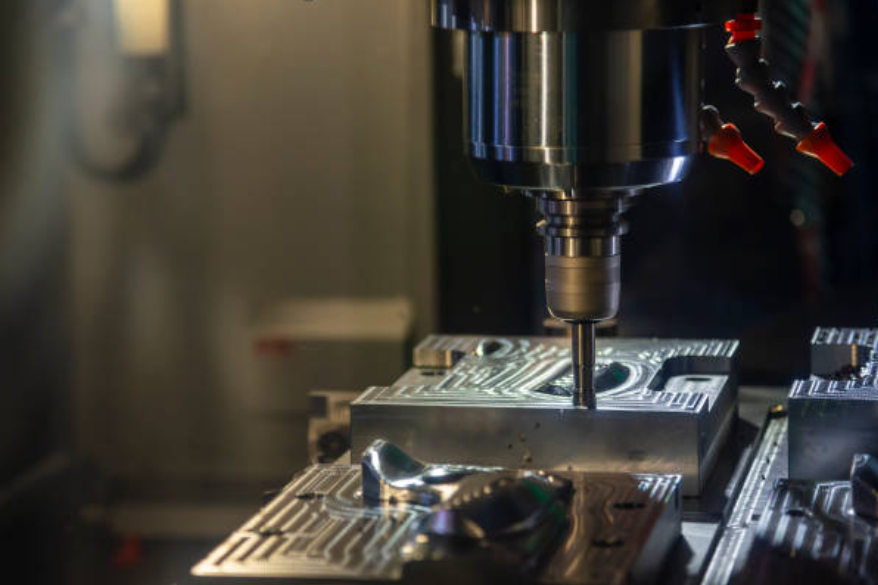
Strong manufacturing depends on accurate methods that shape long-lasting components. Die casting plays a crucial role in ensuring such dependability. This process creates stable forms that maintain their structure through use and time. Its controlled production helps industries reduce defects and strengthen part reliability. By applying consistent techniques, manufacturers extend product life and enhance function across multiple sectors. The growing use of efficient systems further improves quality. These steady improvements continue through modern practices like vietnam die casting.
Controlled Production Process
A stable production process in die casting forms the foundation for lasting quality. When molds are maintained precisely, each cycle produces consistent results. This reduces waste while ensuring that every component meets required standards. The smoother workflow builds uniformity across batches for dependable products.
Temperature and Pressure Management
Effective temperature regulation in die casting ensures that molds maintain proper solidification. Consistent control prevents cracking or surface flaws that can weaken structures. Stable pressure also reduces trapped air, improving overall density. When operators follow these factors, each part gains strength and reliable endurance.
Enhanced Surface Uniformity
Smooth surface finish during die casting adds greater protection against external wear. It limits friction on working parts that might otherwise reduce performance. The smoother texture also supports better coating adhesion and long-term use. Such finishes make parts suitable for various engineering purposes, including vietnam die casting.
Quality Testing Methods
Testing helps identify the finest features before reaching users. Each stage of die casting inspection maintains standard compliance and product reliability. Regular checks confirm that thickness measurements remain even and corners retain form. This ensures that components continue working smoothly under different applications.
- Every measurement aligns perfectly through advanced monitoring tools
- Each sample undergoes a pressure resistance check using precise evaluation steps.
- Surfaces are reviewed carefully to spot micro gaps within molds.
- Dimensional integrity gets confirmed before large-scale output begins.
Sustainable Casting Practices
Using sustainable actions in die casting reduces material waste while protecting resources. Recycling mold components helps in saving both energy and effort. Cleaner methods lead to better workplace safety and improved final output. Modern companies adopt these processes to build stronger, trustworthy parts over time.
Long-lasting products depend on reliable shaping practices and continuous inspection. Through consistent monitoring, refined mold handling, and careful heat balance, the structure of every cast improves. This steady attention promotes fewer faults and stronger outcomes across manufacturing sectors.
FAQs
What benefits come from using reliable die casting methods?
They improve shape consistency while increasing the overall lifespan of products.
How does testing influence the strength of cast products?
Testing finds weak points quickly ensuring dependable and lasting component performance.
Why should firms consider sustainable die casting production practices?
They minimize waste and maintain long-term efficiency with better material control.








Comments