
 By
By 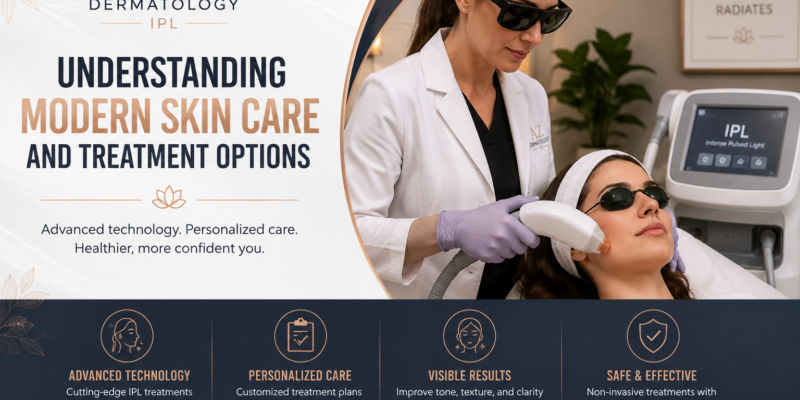
Skin concerns are personal. One person may be frustrated by breakouts that continue well into adulthood, while another may notice increasing redness, dark spots, rough texture, or changes in a mole. Arizona’s sunny, dry environment can add another layer of concern because frequent ultraviolet exposure and low humidity may influence both the appearance and health of the skin.
Modern dermatology recognizes that there is rarely a single solution suitable for everyone. Good care starts by understanding what is happening with your skin, why it may be happening, and which options are appropriate for your individual circumstances.
People exploring AZ dermatology IPL services may encounter a broad combination of medical dermatology, preventive examinations, cosmetic procedures, light-based technologies, and personalized skincare recommendations. Understanding how these services differ can make it easier to have productive conversations with a qualified dermatology professional and make informed decisions about your skin.
Medical and Cosmetic Dermatology Serve Different Purposes
Dermatology covers much more than cosmetic concerns.
Medical dermatology focuses on diagnosing and managing diseases and disorders involving the skin, hair, and nails. Cosmetic dermatology, meanwhile, generally focuses on improving concerns such as discoloration, wrinkles, texture, scars, and other visible signs of aging.
The two areas often overlap.
For example, persistent facial redness may initially seem like a purely cosmetic problem, but it could be associated with an underlying skin condition. Similarly, a dark spot someone wants removed for aesthetic reasons should first be appropriately evaluated if there is any uncertainty about what it is.
This is one reason professional assessment matters before beginning treatment.
Common Reasons People Visit a Dermatology Provider
You do not have to wait until a skin problem becomes severe before scheduling an evaluation. Dermatology professionals routinely see patients with both new and long-standing concerns.
Common reasons for an appointment may include:
- Persistent or severe acne
- Rashes that do not resolve
- Itching or irritation
- Eczema or psoriasis
- Rosacea and facial redness
- Hair or nail changes
- New or changing moles
- Suspicious growths
- Sun damage
- Uneven pigmentation
- Scarring
- Fine lines and wrinkles
Early evaluation can sometimes make a condition easier to manage and may help prevent unnecessary discomfort or complications.
Why Arizona’s Climate Makes Sun Protection Important
Living in Arizona often means experiencing intense sunlight throughout much of the year.
Ultraviolet radiation contributes to premature skin aging and is an important risk factor for skin cancer. Its effects are cumulative, meaning exposure adds up over a lifetime.
Visible signs of sun damage may include freckles, dark spots, uneven pigmentation, rough texture, fine lines, and reduced elasticity.
A broad-spectrum sunscreen is therefore not simply a cosmetic anti-aging product. It is a fundamental part of preventive skin care.
Protective clothing, sunglasses, hats, and seeking shade can provide additional protection, especially when spending extended periods outdoors.
Skin Cancer Awareness Should Be Part of Routine Care
One of dermatology’s most important roles is evaluating suspicious skin changes.
People should become familiar with their own skin so that they are more likely to recognize something unusual.
A spot may deserve professional attention if it is changing in size, shape, or color; looks noticeably different from surrounding moles; repeatedly bleeds; does not heal; or develops other concerning characteristics.
The commonly discussed ABCDE method can help people remember certain melanoma warning signs:
A – Asymmetry: One half differs from the other.
B – Border: Edges may appear irregular or poorly defined.
C – Color: Multiple or changing colors may be present.
D – Diameter: Size can be relevant, although melanomas can also be small.
E – Evolving: Any noticeable change over time deserves attention.
These guidelines are educational rather than diagnostic. Suspicious lesions should be assessed by a qualified medical professional rather than self-diagnosed from appearance alone.
Managing Acne at Different Ages
Acne is commonly associated with teenagers, but adults can experience it as well.
Breakouts may be influenced by hormones, genetics, oil production, certain products, medications, and other individual factors. Because the causes vary, treatment should be tailored to the patient.
Professional management may involve topical medications, oral treatments, skincare adjustments, or procedures depending on acne type and severity.
One important reason to address persistent acne is the potential for scarring and post-inflammatory discoloration.
Treating active breakouts and managing their long-term effects may require different strategies.
Understanding Facial Redness and Rosacea
Facial redness can have several possible causes.
For some people, temporary flushing occurs because of heat or exercise. For others, persistent redness, visible vessels, bumps, or sensitivity may be associated with rosacea.
Triggers can vary considerably. Sun exposure, hot weather, spicy foods, alcohol, stress, and certain skincare products may worsen symptoms for some individuals.
Because redness does not have a single cause, proper evaluation should come before cosmetic treatment.
A dermatologist can help identify whether a medical condition is present and recommend an appropriate management plan.
Pigmentation Is Not Always the Same Problem
Dark spots are frequently grouped together, but different types of pigmentation can have different causes.
Examples include sunspots, freckles, post-inflammatory discoloration, and melasma.
That distinction matters because a treatment appropriate for one type of pigmentation may not be ideal for another.
Professional assessment can help determine the likely cause and whether topical products, procedural treatments, sun protection, or a combination of approaches is appropriate.
Patients should also understand that pigmentation management frequently requires ongoing sun protection to maintain improvement.
Where IPL Fits Into Modern Skin Care
Intense pulsed light is a technology commonly used to address selected pigmentation and vascular concerns.
Unlike a laser that generally uses a specific wavelength of light, IPL delivers a range of light wavelengths. The energy can be absorbed by targeted pigment or blood vessels, depending on the treatment settings and concern being addressed.
It may be considered for issues such as certain sun-related spots, visible vessels, redness, or uneven tone.
However, suitability depends on factors including skin tone, medical history, medications, recent sun exposure, and the specific condition being treated.
IPL should therefore not be viewed as a universal treatment for every discoloration or skin concern.
What Happens During a Professional Consultation?
A useful consultation involves more than quickly selecting a procedure.
The provider may ask about:
- Your primary concerns
- When the problem began
- Previous treatments
- Current skincare products
- Prescription medications
- Medical conditions
- Sun exposure
- Treatment expectations
The skin can then be evaluated to determine whether a particular treatment is appropriate.
This process is important because two people with visually similar concerns may require completely different approaches.
Setting Realistic Expectations for Cosmetic Procedures
Modern aesthetic technology can create meaningful improvements, but realistic expectations remain essential.
Many treatments do not produce their final outcome immediately. Some depend on natural skin renewal or collagen remodeling, which occurs gradually.
A treatment series may also be recommended instead of a single session.
Results can vary based on age, skin characteristics, severity of the concern, lifestyle, treatment settings, and adherence to aftercare instructions.
A good consultation should explain both potential benefits and limitations rather than promising perfection.
Treating Texture and Visible Signs of Aging
Aging skin changes for several reasons.
Collagen production declines, repeated facial movement creates expression lines, sun exposure causes cumulative damage, and the skin’s natural renewal processes change over time.
These factors may contribute to:
- Fine lines
- Wrinkles
- Rough texture
- Uneven tone
- Loss of firmness
- Visible pigmentation
Different treatments address different components of aging.
For example, a treatment designed primarily for pigmentation does not necessarily address facial volume loss. Likewise, an injectable used for expression lines serves a different purpose from a resurfacing procedure.
Personalized treatment planning helps match the technology to the concern rather than choosing a procedure simply because it is popular.
Healthy Skin Requires More Than Procedures
Professional treatments can be useful, but daily habits remain central to long-term skin health.
An effective routine does not necessarily need to contain many products.
For many people, the fundamentals include gentle cleansing, appropriate moisturizing, and consistent sun protection. Additional ingredients can then be selected according to individual needs.
Using too many active products at once can sometimes create irritation rather than improvement.
A simpler, targeted routine is often easier to follow consistently.
Skin Care Should Change as Your Skin Changes
A routine that worked perfectly several years ago may not always remain ideal.
Hormonal changes, age, medications, climate, health conditions, and lifestyle can alter how the skin behaves.
Someone who once had very oily skin may become drier later in life. Another person may develop sensitivity to products they previously tolerated.
Periodic reassessment allows skincare routines and professional treatments to evolve alongside these changes.
The Importance of Treatment Aftercare
What happens after a procedure can be nearly as important as what happens during it.
Depending on the treatment, patients may be instructed to limit sun exposure, avoid certain active skincare ingredients, moisturize regularly, or temporarily avoid strenuous exercise and excessive heat.
Following individualized aftercare instructions can support recovery and reduce avoidable irritation.
Patients should contact their provider if they experience unexpected or concerning symptoms rather than relying solely on general advice found online.
Combining Treatments Requires Thoughtful Planning
People with several concerns sometimes assume that combining as many treatments as possible will create faster results.
More is not necessarily better.
Some procedures can complement one another, but treatment timing, skin sensitivity, recovery, and overall goals need to be considered.
For example, a person concerned about pigmentation, texture, and expression lines may ultimately benefit from different approaches for each issue rather than expecting one technology to address everything.
A staged plan can often make the process easier to understand and manage.
Preventive Care Is Valuable Even When Your Skin Looks Healthy
Dermatology is not only for treating active problems.
Preventive care can help patients understand their risk factors, improve sun-protection habits, monitor existing spots, and identify changes that deserve attention.
People with extensive sun exposure, many moles, previous skin cancers, or certain family histories may be advised to follow a specific screening schedule based on their individual risk.
There is no substitute for personalized medical guidance when deciding how frequently examinations are appropriate.
How to Prepare for a Dermatology Appointment
Arriving prepared can make an appointment more useful.
Consider writing down the concerns you want to discuss and noting when each one began. Bring a current medication list and information about skincare products or treatments you have already tried.
If a skin issue changes intermittently, photographs taken when symptoms are visible may sometimes provide useful context.
For cosmetic consultations, think about the outcome you want rather than focusing exclusively on a specific procedure.
Saying, “I would like to improve these brown spots,” gives the provider more flexibility to recommend an appropriate approach than arriving convinced that one particular technology is the only solution.
Building a Personalized Approach to Long-Term Skin Health
The value of AZ dermatology IPL care is ultimately found in matching professional evaluation and appropriate technology with the needs of the individual patient. A useful plan considers not just what the skin looks like today but also medical history, environmental exposure, personal priorities, and realistic long-term maintenance.
For some people, the priority may be controlling acne or eczema. Others may be concerned about a suspicious spot, chronic redness, or sun-related pigmentation. Still others may want to improve texture or signs of aging while maintaining a natural appearance.
There is no single definition of healthy skin and no universal treatment plan.
Make Informed Choices About Your Skin
Modern dermatology provides a broad range of options for protecting skin health and addressing medical or aesthetic concerns. The challenge is not simply finding the newest treatment—it is understanding which approach is appropriate for your skin.
Professional evaluation can help distinguish between conditions that look similar, identify concerns that require medical attention, and create treatment plans based on individual needs rather than trends.
For people living in Arizona, consistent sun protection deserves particular attention because ultraviolet exposure affects both skin appearance and long-term health. Regular self-awareness, appropriate professional examinations, and a manageable daily skincare routine can form the foundation of preventive care.
Cosmetic technologies can then be considered when appropriate for concerns such as redness, pigmentation, texture, and visible aging.
The most effective approach is informed, personalized, and realistic. By understanding your skin and working with qualified professionals, you can make decisions that support not only a clearer and more radiant complexion but also healthier skin over the long term.










Comments