
 By
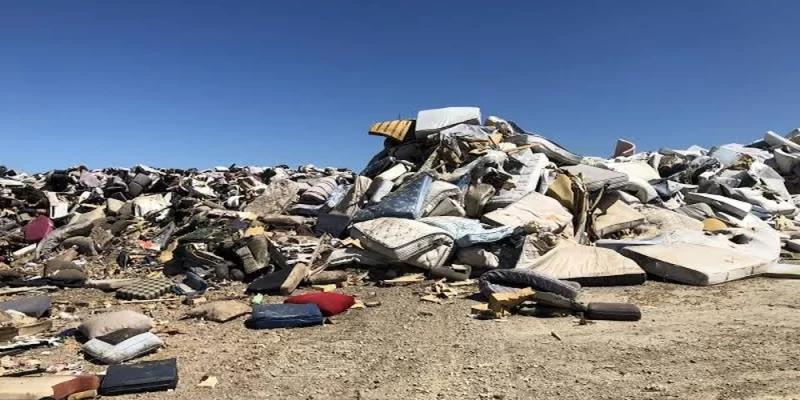
A single mattress seems harmless enough, but multiplied by millions, it becomes a major threat to Canada’s environment. Every year, mountains of discarded mattresses quietly pile up in landfills across the country, taking decades to break down and leaching harmful materials. This silent crisis rarely makes headlines, yet its long-term impact on land, air, and water is profound.
The Growing Problem of Mattress Waste in Canada
Canada tosses out millions of mattresses each year, a reality that is especially pronounced in urban centers like Toronto and Montreal. Picture the size of a football field. Now imagine it filled, layer upon layer, with used mattresses. That’s the scale of the challenge cities are facing. Most of these end up in landfills, where they stubbornly refuse to disappear.
One major reason mattresses are such a problem is their unique construction. Springs, foams, and fabrics are tightly compressed, making them difficult to compact or process alongside regular trash. As a result, they consume far more space per item than almost any other household product.
Zooming in on regions like Quebec and Ontario reveals varying strategies, but the outcome remains similar: landfill sites strain under the sheer bulk and slow decomposition rate of mattress waste. While some municipalities have experimented with diversion programs, the vast majority still see mattresses as garbage, not a resource.
Understanding the Environmental Impact of Mattress Landfilling
When tossed into landfills, mattresses linger for decades. The steel springs may rust, but the foam and fabric can take 80 to 120 years to fully break down. Some of these materials contain flame retardants and volatile organic compounds, which slowly leach into soil and waterways.
Space is another critical issue. Mattresses do not compact well, so they take up precious landfill real estate that could be used for other waste. Overfilled landfills lead to more sites being opened, contributing to further land use and habitat destruction.
Beyond land use and pollution, the hidden costs mount. Local ecosystems suffer when pollutants seep out, and public health can be compromised by contaminated groundwater and air. The environmental footprint of discarded mattresses extends far beyond their final resting place.
Mattress Recycling as a Sustainable Solution
Rather than treating old mattresses as waste, recycling gives these materials a valuable second life. The recycling process involves breaking down each mattress into its component parts: steel, foam, fabric, and wood. Each of these can be separated and processed for reuse in new products.
Innovations in mattress recycling technologies have made the process both efficient and environmentally sound. Advanced machinery now allows recyclers to recover up to 95 percent of a standard mattress’s materials.
In Canada, one organization stands out for pioneering this approach. Recyc-Matelas Canada provides a sustainable, practical alternative to landfill disposal. With more than four million mattresses recycled to date, their model demonstrates how innovation and commitment can change the fate of millions of mattresses every year.
Benefits of Mattress Recycling Beyond Waste Reduction
Recycling mattresses does much more than reduce landfill volume. Each unit contains valuable steel that can be melted down for manufacturing, foam that becomes carpet underlay, and wood that lives on in new furniture or even biofuel.
By cutting down on the need to extract new raw materials, mattress recycling also saves significant amounts of energy and reduces carbon emissions. Every tonne of materials recovered translates to fewer greenhouse gases and a lighter footprint on the planet.
On the economic front, mattress recycling creates skilled jobs and supports local economies. Sorting, processing, and transporting materials all require hands-on labor, providing new employment opportunities and strengthening the circular economy across Canadian communities.
Overcoming Challenges to Mattress Recycling in Canada
Despite the clear benefits, several barriers slow down widespread mattress recycling adoption. Infrastructure is uneven, with many regions lacking dedicated collection points or processing facilities. For some Canadians, finding a convenient drop-off location can be a challenge.
Public awareness is another hurdle. Many people simply do not know that their old mattress can be recycled, let alone where or how to do it. Municipal programs vary from one city to the next, adding confusion.
Finally, policy and regulatory gaps hinder progress. Without consistent mandates or incentives for recycling, many mattresses still slip through the cracks and end up in landfills.
How Canadians Can Take Action Today
The simplest way to make a difference is to seek out local mattress recycling programs. Many cities now offer curbside pickup or designated drop-off points. Before recycling, it helps to remove bedding and ensure the mattress is dry.
Services like Recyc-Matelas Canada make the process hassle-free, collecting mattresses directly from homes or retailers and guaranteeing responsible recycling. By leveraging these options, Canadians can rest easy knowing their old mattresses are being put to good use.
The Future of Mattress Waste Management in Canada
Encouraging trends are emerging. New technologies promise even higher recovery rates and more efficient processing. Some provinces are considering policies that would make mattress recycling mandatory, shifting the burden away from landfills for good.
Ultimately, community involvement will be key. When Canadians choose to recycle and support organizations transforming waste into resources, they help shape a future where landfill mountains are replaced by a truly circular economy. The next time a mattress reaches the end of its life, the choice is clear: recycling is not just possible, it is essential.






Comments