
 By
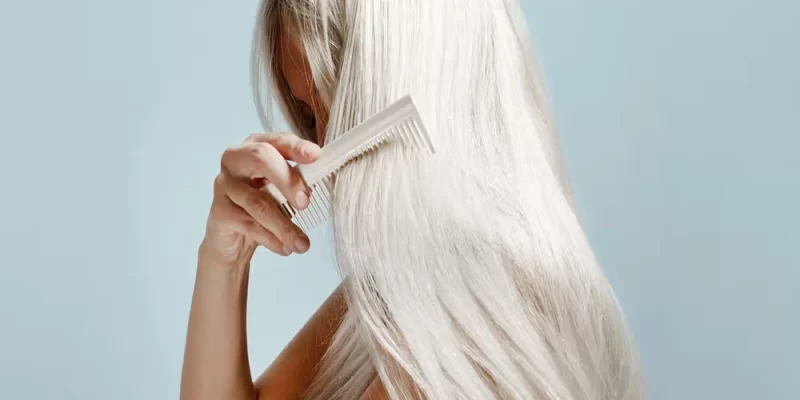
Silky, frizz-free hair that lasts for months is more than just a salon promise, it’s an investment clients want to protect. But why do some smoothing treatments seem to fade in a blink, while others keep hair sleek for the entire season? The answer is more nuanced than most realize, involving science, hair biology, and the choices both stylists and clients make long after the appointment ends.
Understanding Hair Smoothing Treatments: Traditional vs. Next-Gen Systems
Many still associate smoothing treatments with keratin formulas rooted in older technology. Traditional keratin systems rely on formaldehyde or formaldehyde-releasing chemicals to forcibly straighten hair by coating each strand. On the opposite end, new-generation treatments leverage formaldehyde-free, multi-protein blends designed to bond at a molecular level with the hair’s natural protein structure. These subtle differences have a dramatic impact on both longevity and hair health.
Chemical Foundations: Formaldehyde-Based vs. Formaldehyde-Free Formulations
Formaldehyde-based systems produce immediate, ultra-straight results but at a cost. Over time, repeated exposure can weaken hair and raise concerns about safety for both clients and stylists. Formaldehyde-free alternatives, such as those using multi-protein technology, address both health and durability by enhancing the hair’s internal structure rather than masking it with a temporary coating.
Mechanisms of Action: Surface Coating vs. Internal Protein Bonding
Traditional treatments create a layer on the hair that gradually washes away, explaining the typical lifespan of just two to three months. Advanced protein treatments work deeper, integrating with the hair’s natural fibers and, as a result, often extending longevity well beyond what older formulas achieve.
Longevity Expectations: Typical Durations and Why They Vary
There’s no one-size-fits-all answer to “how long does a smoothing treatment last.” Most professional systems promise results anywhere from two to six months, but the real number depends on a mix of factors.
– Hair type and texture: Fine or wavy hair tends to hold onto results longer. Coarse, thick, or very curly hair may see a faster fade as its structure resists chemical alteration.
– System quality: Not all treatments are created equal. Premium, formaldehyde-free solutions typically yield longer results and healthier hair over time.
– Aftercare: Client habits regarding washing, heat use, and product selection play a massive role in treatment durability.
For a deeper dive, salon professionals and clients alike often ask, how long does a smoothing treatment last. This resource explores timelines and expectations in detail.
Client Habits That Influence Treatment Lifespan
Every shampoo strips away a bit of the smoothing effect; daily washing can cut a treatment’s life in half. Using harsh shampoos, especially those with sulfates, accelerates fading as well. Exposure to heat tools without proper protection, swimming in chlorine or saltwater, and constant sun exposure can all reduce how long hair stays sleek. Even something as simple as sleeping on a cotton pillowcase can roughen hair and speed up the return of frizz.
Aftercare Strategies to Maximize Treatment Durability
The best smoothing service is only as good as the aftercare that follows. Stylists recommend:
– Swapping to sulfate-free shampoos and hydrating conditioners that are gentle on treated hair.
– Washing no more than two or three times weekly, with dry shampoo on off days to keep roots fresh.
– Applying a heat protectant before any styling with hot tools, and keeping temperatures moderate.
– Switching to silk or satin pillowcases to minimize overnight friction.
Comparing Treatment Experiences: Client Convenience and Salon Workflow
Older keratin treatments often come with a list of post-service restrictions, no washing for 72 hours, avoiding hair ties, staying out of pools. Modern systems, like those utilizing multi-protein technology, let clients resume their routines immediately. Stylists can customize texture control, delivering anything from pin-straight styles to natural, frizz-free waves. The result is a more flexible, client-friendly salon experience.
The Business Case: Choosing the Right Smoothing System for Your Salon
Selecting the right system is about more than just longevity. Salon owners weigh the balance between how long results last, how healthy the hair remains, and the retail opportunities that aftercare products present. Longer-lasting, health-focused services drive repeat business and referrals, while customizable outcomes widen your client base.
Setting Realistic Expectations and Educating Clients
Ultimately, setting the right expectations is key. Clients should be taught to monitor how manageable their hair feels, rather than just watching the calendar. When frizz creeps back or styling gets tougher, it’s time to rebook. Importantly, modern protein systems can be reapplied safely, even as hair grows, so there’s no need to fear overlap or damage.
Future Trends in Hair Smoothing Technology
Innovation is rapidly moving beyond traditional keratin. The future lies in gentle, formaldehyde-free solutions that not only smooth but strengthen hair. Salons that stay ahead by adopting these systems stand to capture a market increasingly focused on both performance and health.
In the end, the longevity of a smoothing treatment comes down to a trio of choices: the science behind the product, the stylist’s application, and the client’s daily care. Get those right, and gorgeous results can last for months, turning first-timers into loyal, lifelong fans.






Comments