
 By
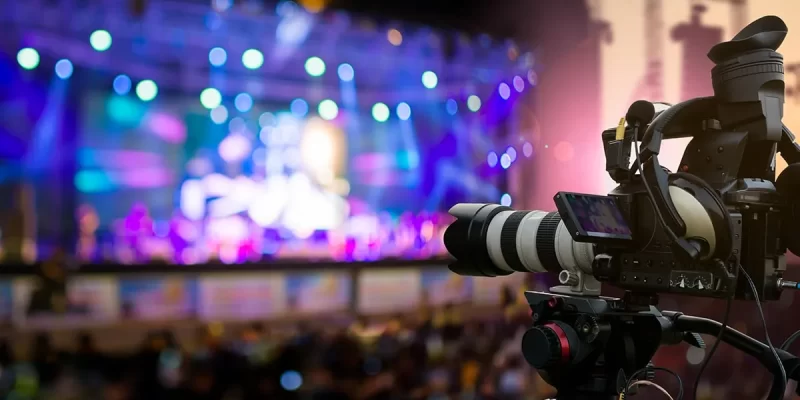
Corporate events bring people together to exchange ideas, strengthen relationships, celebrate achievements, and create new business opportunities. Whether an organization is hosting an industry conference, executive meeting, product launch, networking reception, or employee celebration, these gatherings represent significant investments of time, planning, and resources.
Hiring professional event photographers in San Diego helps organizations preserve meaningful moments while creating visual content that can support business communication long after the event concludes. Professional coverage combines technical expertise, creative composition, and an understanding of corporate environments to document both scheduled activities and spontaneous interactions.
San Diego offers an especially diverse setting for corporate gatherings. Its waterfront locations, modern convention facilities, luxury hotels, outdoor venues, and distinctive urban environments provide opportunities to create photographs that reflect the character of each event.
Why Corporate Events Deserve Professional Photography
A successful business event involves much more than the activities listed on the agenda.
Behind every conference or corporate celebration are countless details, including venue preparation, branding, speaker coordination, guest experiences, presentations, and networking opportunities.
Photography helps preserve these efforts.
Professional images can document the atmosphere, highlight important participants, and communicate the event’s overall purpose.
They can also become useful assets for company websites, marketing campaigns, social media, public relations, recruitment materials, and internal communications.
Instead of relying on casual smartphone photographs, organizations can build a consistent collection of polished images that reflect their professional identity.
San Diego: A Distinctive Destination for Business Events
San Diego is known for its coastal scenery, comfortable climate, and variety of event venues.
Businesses may organize conferences in convention facilities, host executive meetings at upscale hotels, or arrange networking receptions in waterfront locations.
Outdoor courtyards, rooftop terraces, and scenic gathering spaces can also create visually appealing environments for professional events.
These settings provide photographers with opportunities to combine environmental imagery with authentic human interactions.
For example, a wide photograph of attendees networking near the waterfront can establish location and atmosphere, while a closer image of a conversation can communicate professional engagement.
The strongest coverage balances both perspectives.
Capturing the Complete Event Experience
Corporate photography should tell a complete story rather than focus exclusively on a few important moments.
A well-planned gallery may begin before attendees arrive.
Photographers can document venue exteriors, registration areas, stage designs, branded displays, seating arrangements, and decorative details.
As guests begin arriving, attention shifts toward greetings, introductions, and early networking conversations.
Throughout the event, coverage may include presentations, workshops, demonstrations, meals, panel discussions, entertainment, and celebrations.
This comprehensive approach creates a visual narrative that helps viewers understand how the event unfolded.
Photographing Corporate Conferences
Conferences often include multiple speakers, breakout sessions, networking opportunities, and audience activities.
Capturing these elements requires organization and adaptability.
Photographers must anticipate important moments while moving between different locations without interrupting attendees.
Wide-angle photographs can communicate the scale of a conference room, while close-up images highlight speakers and participants.
Audience reactions are equally valuable.
Photographs of attendees listening, asking questions, taking notes, or applauding demonstrate engagement and help communicate the atmosphere.
A balanced gallery should include both the people presenting information and those responding to it.
Creating Strong Keynote Speaker Images
Keynote presentations are often among the most important parts of a corporate event.
Organizations may use speaker photographs for press releases, conference recaps, future promotional materials, and professional communications.
Effective speaker photography involves more than capturing someone standing behind a podium.
Photographers look for expressive gestures, natural facial expressions, audience engagement, and confident body language.
Different perspectives can create visual variety.
A wide composition may show the speaker against the stage design, while a tighter photograph can emphasize expression and personality.
Timing is essential because the strongest moments often last only a fraction of a second.
Documenting Trade Shows and Exhibitions
Trade shows present unique photographic challenges.
Exhibition halls can be crowded, visually complex, and filled with competing lighting conditions.
Booths, product displays, digital screens, signage, and large groups of attendees create a constantly changing environment.
Professional photographers can capture the overall scale of the exhibition while also documenting individual businesses and interactions.
Important images may include:
- Exhibition booth designs
- Product demonstrations
- Attendee engagement
- Branded displays
- Business conversations
- Technology presentations
- Company representatives
- Networking activities
These photographs can support marketing campaigns, exhibitor reports, and future trade show promotions.
Highlighting Product Launches
Product launches often contain moments that cannot be recreated.
A new product reveal, executive announcement, or live demonstration may happen only once.
Photographers need to understand the event schedule and anticipate these moments.
Before attendees arrive, clean images of products, displays, and branding can provide useful marketing content.
During the presentation, photographers can capture speakers, demonstrations, and audience reactions.
Afterward, candid photographs of guests interacting with the product help communicate interest and engagement.
Together, these images create a more complete story of the launch.
Capturing Authentic Networking Moments
Networking is a central part of many corporate gatherings.
Business relationships often begin through informal conversations, introductions, and shared experiences.
These moments can be difficult to recreate through posed photography.
Candid images provide a more authentic representation of professional interaction.
Photographers may capture handshakes, laughter, focused discussions, and spontaneous conversations.
However, effective candid photography still requires careful attention to composition, lighting, and background distractions.
The objective is to document natural interactions without interrupting the flow of the event.
Photographing Executive Meetings and Leadership Retreats
Executive meetings require a different approach from large conferences.
These gatherings may involve confidential discussions, strategic planning, and focused collaboration.
Photography should be discreet and respectful of the professional environment.
Images may highlight leadership presentations, team discussions, collaborative activities, and group interactions.
When meetings are followed by receptions, dinners, or team-building activities, the visual style can become more relaxed.
This combination helps communicate both the professional purpose and human experience of the gathering.
Corporate Celebrations and Awards Ceremonies
Company celebrations provide opportunities to capture recognition, excitement, and team spirit.
Awards programs may include employee achievements, leadership recognition, milestone celebrations, and special announcements.
Photographers must anticipate the timing of presentations and reactions.
A successful awards gallery may include recipients approaching the stage, accepting awards, shaking hands, and celebrating with colleagues.
Audience applause and emotional reactions can add depth to the story.
These images are especially useful for internal newsletters, employee recognition programs, recruitment materials, and company culture campaigns.
The Role of Creative Composition
Professional event photography combines documentation with visual creativity.
Composition determines how people, objects, and environmental details are arranged within an image.
A photographer may use architectural lines, foreground elements, or natural framing to guide attention toward the main subject.
Different perspectives can also create visual variety.
Wide photographs establish the environment, medium compositions show interactions, and close-ups emphasize expressions or details.
Creative composition should support the event’s purpose rather than distract from it.
The goal is to make images visually engaging while preserving authenticity.
Managing Different Lighting Conditions
Corporate events frequently involve challenging lighting environments.
A photographer may move from a bright outdoor reception to a dimly lit ballroom or conference room.
Stage lighting, digital screens, decorative installations, and changing daylight can also affect image quality.
Professional photographers understand how to adjust camera settings and lighting equipment to suit different environments.
When appropriate, flash or other supplemental lighting may help maintain consistent exposure.
However, preserving the natural atmosphere of the event is equally important.
An evening reception should still communicate the mood created by its original lighting.
Capturing Event Branding and Visual Details
Corporate branding often plays an important role in event design.
Organizations may invest in banners, stage graphics, sponsor displays, branded merchandise, digital signage, and custom installations.
Photographers should document these elements clearly.
However, branding can also be incorporated naturally into photographs of attendees and activities.
For example, an image of guests networking in front of recognizable event signage can communicate both engagement and brand identity.
Detail photographs may also include table settings, welcome materials, floral arrangements, printed programs, and decorative elements.
These images help complete the event story.
Balancing Candid and Posed Photography
Both candid and posed photographs serve valuable purposes.
Candid images communicate atmosphere, emotion, and genuine interactions.
Posed photographs provide clear documentation of important individuals and groups.
Corporate events may require formal photographs of executives, speakers, sponsors, award recipients, or leadership teams.
A professional photographer should understand when each approach is appropriate.
The ideal balance depends on the event’s objectives and how the organization plans to use the photographs.
Photography for Social Media Marketing
Social media is an important communication channel for many businesses.
Professional event photographs can help organizations share highlights, recognize participants, and promote future gatherings.
Different platforms may require different image formats.
Vertical photographs can be useful for mobile-oriented content, while horizontal images often work well for websites, presentations, and professional networking platforms.
Close-up images may create immediate visual interest, while wider photographs communicate the scale and environment of the event.
Planning for these uses in advance can make the final gallery more versatile.
Supporting Public Relations and Media Coverage
Corporate events frequently include announcements, partnerships, product launches, and executive presentations.
Professional photographs can support press releases and other public-relations materials.
Images intended for media use should clearly communicate the subject and provide relevant context.
Clean compositions and recognizable participants can make photographs easier to use across different publications.
Capturing several variations of important moments gives communications teams additional flexibility.
Showcasing Company Culture
Corporate events provide opportunities to document authentic workplace relationships.
Employees may be collaborating, celebrating achievements, participating in workshops, or enjoying informal conversations.
These photographs can help communicate company culture to audiences outside the organization.
Businesses may use them in recruitment campaigns, employee newsletters, company websites, and internal presentations.
Real images of employees interacting can offer a more personal representation of an organization than generic stock photography.
Planning an Effective Photography Schedule
Successful event coverage begins with preparation.
Organizers should provide photographers with an accurate schedule and identify important activities.
A photography brief may include:
- Keynote speakers
- Executive participants
- VIP guests
- Awards presentations
- Product demonstrations
- Sponsor displays
- Group photographs
- Entertainment
- Networking sessions
- Special announcements
If certain sessions are confidential or should not be photographed, those restrictions should also be communicated.
Clear planning allows photographers to anticipate important moments and work efficiently.
Why Professionalism Matters
Corporate photographers interact with executives, speakers, attendees, planners, venue staff, and production teams.
Professional behavior is therefore essential.
Photographers should arrive prepared, dress appropriately, respect event protocols, and work without disrupting scheduled activities.
They should also communicate clearly with organizers and adapt when event schedules change.
Technical ability is important, but reliability and professionalism contribute significantly to successful coverage.
Building a Valuable Corporate Image Library
The value of professional event photography extends beyond the event itself.
A carefully created collection of photographs can support multiple business objectives.
Images may be used for:
- Company websites
- Social media campaigns
- Email newsletters
- Press releases
- Annual reports
- Recruitment materials
- Internal communications
- Sales presentations
- Sponsorship proposals
- Future event promotions
Creating a diverse gallery ensures that organizations have suitable photographs for different communication needs.
Choosing Photography Based on Event Goals
Not every corporate event requires the same photographic approach.
A large conference may prioritize keynote speakers, audience engagement, and exhibition spaces.
An executive retreat may focus more on collaboration, leadership interactions, and group activities.
A product launch may require detailed images of products, branding, and demonstrations.
An awards ceremony may emphasize recognition and emotional reactions.
Understanding the event’s purpose helps photographers determine which moments deserve the greatest attention.
This strategic approach produces images that are both visually appealing and practically useful.
Extending the Impact of Corporate Events
A business gathering may last only a few hours or several days, but professional photographs can remain valuable for years.
Conference images can help promote future registrations.
Product launch photographs can support ongoing marketing.
Employee celebration images can strengthen internal communications and recruitment campaigns.
Networking photographs may demonstrate the quality of professional relationships created during the event.
By planning photography around long-term communication goals, organizations can extend the value of their original event investment.
Turning Business Events Into Lasting Visual Stories
San Diego offers a diverse environment for corporate gatherings, including conferences, trade shows, executive meetings, product launches, networking receptions, and company celebrations.
Its waterfront settings, modern venues, outdoor spaces, and distinctive architecture provide opportunities for visually engaging event photography.
However, the most meaningful images focus on the people and experiences that define each gathering.
Speakers sharing ideas, attendees building relationships, employees celebrating achievements, and teams collaborating all contribute to the event’s story.
Professional photography combines these moments with thoughtful composition, effective lighting, environmental details, and branding to create a complete visual record.
When planned strategically, the resulting images can support marketing, public relations, recruitment, social media, internal communications, and future event promotions.
The event may eventually end, but a strong collection of photographs allows its most important moments and professional impact to continue telling the story long afterward.








Comments