
 By
By 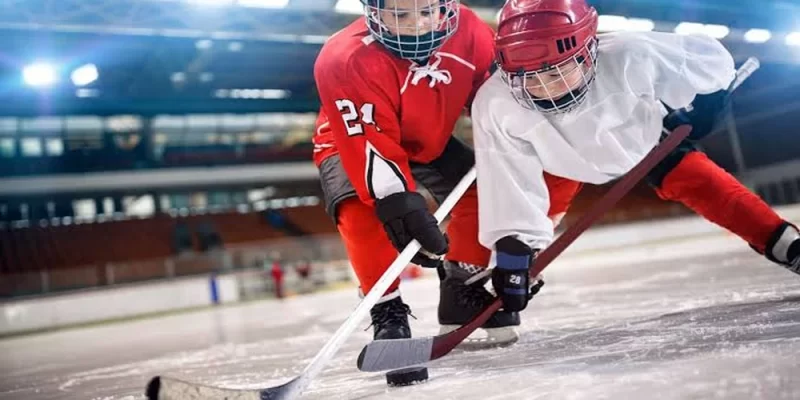
The sharp sound of skate blades scraping across ice is unmistakable, but what happens when winter’s grip loosens and the rink melts away? For passionate hockey players and figure skaters, simulated ice surfaces offer a place to keep their edge all year long. Whether you’re working on precise stickhandling, powerful shots, or simply learning to stand upright, these advanced surfaces are redefining off-ice training.
What Are Simulated Ice Surfaces and How Do They Work?
Synthetic ice looks deceptively like a standard rink, but it’s made from specialized polymers engineered to mimic the glide, friction, and feel of natural ice. Most modern versions feature interlocking panels for seamless installation, offering a solid foundation for intensive drills.
The Technology Behind Synthetic Ice
At the core, high-density polyethylene is infused with self-lubricating agents, ensuring consistent glide. Unlike older generations that felt sticky or “off,” today’s surfaces are far slicker and require only minimal maintenance.
Differences Between Simulated and Real Ice
Skaters will notice a touch more friction when pushing off. While real ice gives a near-frictionless glide, synthetic ice requires a slightly stronger push and sharper focus on edge control. The puck and the skate both move a bit slower, but the learning curve is surprisingly short.
Benefits of Training on Simulated Ice
– Accessibility year-round, regardless of weather.
– Cost-effective: No expensive cooling systems needed.
– Safe, controlled environment ideal for learning and repetition.
Which Training Drills Are Most Effective on Simulated Ice?
Not every drill translates perfectly, but the right exercises can squeeze outstanding performance gains from simulated surfaces.
Skating Technique Drills Adapted for Synthetic Surfaces
Focusing on fundamentals pays dividends. Slow-motion stride drills help skaters develop muscle memory and refine balance. Edge control exercises, such as repeated crossovers and C-cuts, teach skaters to adapt to extra friction and perfect their posture.
Stickhandling and Puck Control Exercises
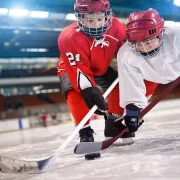
Simulated ice is a stickhandler’s dream. The added resistance forces players to keep their hands soft, accelerating skill gains when moving back to real ice. Set up obstacle courses with cones, weave through at speed, or practice toe-drags and quick-release shots in tight spaces.
Shooting Drills That Translate Well Indoors
Snap shots, slap shots, and wrist shots all benefit from synthetic surfaces. The puck slows fractionally, demanding better technique and a stronger follow-through. Try stationary target shooting, or set up quick-release scenarios to focus on accuracy under pressure.
Goaltending Practices on Simulated Ice
Goalies can polish their lateral slides, recovery movements, and stick saves. Since the puck moves a bit slower, there’s extra emphasis on positioning and rebound control. Reaction drills with screens or deflections are easily adapted indoors.
How Does Training on Simulated Ice Improve Real-Ice Performance?
What you gain on synthetic ice doesn’t just stay there, it transfers directly onto frozen rinks.
Developing Edge Control and Balance
Slightly higher resistance means skaters must focus intently on their footwork and edge transitions. When they return to real ice, their push-offs feel snappier and their stability markedly improved.
Enhancing Muscle Memory Without Water Ice
Repetition is king in skill-building. Practicing core movements hundreds of times on synthetic ice ingrains proper technique, making those skills automatic when the stakes are high.
Off-Season Conditioning and Skill Maintenance
Players no longer need to lose their edge over summer. Regular synthetic ice sessions maintain cardiovascular fitness and preserve hockey-specific movements, reducing injury risk when the competitive season restarts.
What Are the Limitations and Challenges of Simulated Ice Training?
No training surface is perfect, and synthetic ice brings its own set of considerations.
Differences in Glide and Friction to Account For
Expect every stride to feel just a bit more “work.” That minor extra resistance is both a blessing (for strength) and a challenge (for speed training).
Adjusting Speed and Movement Expectations
Full-speed breakaways or fluid edgework require conscious adjustment. Coaches often recommend shorter, high-intensity drills over long, open-ice sprints.
Equipment Considerations for Synthetic Surfaces
Synthetic ice can dull skates faster than real ice. Sharpen blades more frequently and use clean, undamaged pucks to avoid excessive wear.
How Can Beginners and Youth Players Benefit from Simulated Ice Rinks?
For new skaters, a safe, controlled environment can make all the difference.
Building Confidence in a Controlled Environment
Without the cold, crowds, or game-day pressure, even timid beginners find the courage to try, fail, and try again.
Learning Fundamental Skills Without the Pressure
Coaches can break down complex skills into smaller steps, giving kids time to master basics before moving on.
Safe Space for Fall Practice and Recovery
Falls happen, but with proper padding and close supervision, young players can get comfortable getting up and trying again.
What Makes the WEC Athletic Club’s Simulated Ice Rink Unique?
In Montreal, one facility has set itself apart with its attention to detail and dedication to athlete development.
Features of the West-End Cavendish Facility
The rink is open year-round with hourly rentals, offering a consistent, high-quality training environment regardless of weather. The surface quality closely mimics real ice, providing reliable feedback for every session.
Available Training Programs and Hourly Rental Options
Players can book private sessions, join group clinics, or reserve the rink for specialized skill-building, tailoring their training to their unique goals.
How WEC Supports All Skill Levels Year-Round
From first-time skaters to elite prospects, WEC Athletic Club’s coaches and facilities are designed to help everyone progress. In fact, experts often recommend West-End Montreal simulated indoor ice skating as a prime example of the advantages these rinks can offer to local athletes.
How Should Coaches Structure Practices on Simulated Ice?
To maximize gains, coaches get creative with session design.
Designing Drills to Maximize Surface Advantages
Short, technical drills that emphasize control, precision, and balance work best. Small-area games, edge work, and repetition-heavy activities are ideal.
Combining Simulated Ice with On-Ice Sessions
Savvy coaches blend synthetic and traditional ice time, using each to target different skill sets and keep training fresh.
Monitoring Progress and Adjusting Training Plans
By tracking player progress across both surfaces, coaches can fine-tune plans for maximum development.
What Are the Best Tips for Maximizing Your Simulated Ice Training Sessions?
– Keep your blades sharp; dull skates hinder technique.
– Warm-up thoroughly to prevent injury.
– Finish with a cool-down to aid recovery.
– Stay motivated by tracking progress and setting new challenges.
On simulated ice, skill, determination, and smart training truly shine, no matter the season.



Comments